In-Person RO-DBT® Skills Classes for Adults
Struggling with perfectionism, overcontrol, or loneliness? Our in-person RO-DBT Skills Classes for Adults can help.

What is RO-DBT (Radically Open DBT)?
Radically Open Dialectical Behavior Therapy (RO-DBT) is an evidence-based therapy designed for people who struggle with excessive self-control, perfectionism, emotional restraint, or feeling disconnected from others. Through practical skills and supportive guidance, RO-DBT helps you become more open, flexible, and socially connected so you can build healthier relationships, manage emotions more effectively, and create a more fulfilling life.

Overview of Our In-Person RO-DBT® Skills Class
Our in-person RO-DBT skills groups for adults teach practical skills to help you reduce perfectionism, increase flexibility, strengthen relationships, and feel more connected to others. Whether you’re participating alongside individual therapy or simply looking to build healthier coping skills, our expert-led groups provide a supportive environment to learn and practice lasting change.

Are Adult RO-DBT® Skills Classes Right For You?
RO-DBT® is short for Radically Open Dialectical Behavior Therapy®. RO-DBT® is an effective treatment for helping people manage excessive self-control. These people may hide or mask their emotions in front of others and struggle with problems like perfectionism or rigidity that cause fallout and disrupt the quality of their daily lives.
In this class, adults will learn skills to increase openness, flexibility and social connectedness. Many people who struggle to manage their emotions can identify with both DBT® and RO-DBT® and may even vacillate between over and under self-control. A clinician can help you identify which treatment would be the most effective option for you based on your own self-control tendencies.
Details About our In-Person RO-DBT Skills Classes
These RO-DBT Adult Skills Classes are only $65 per week.
They take place on Mondays from noon to 1:30 pm.
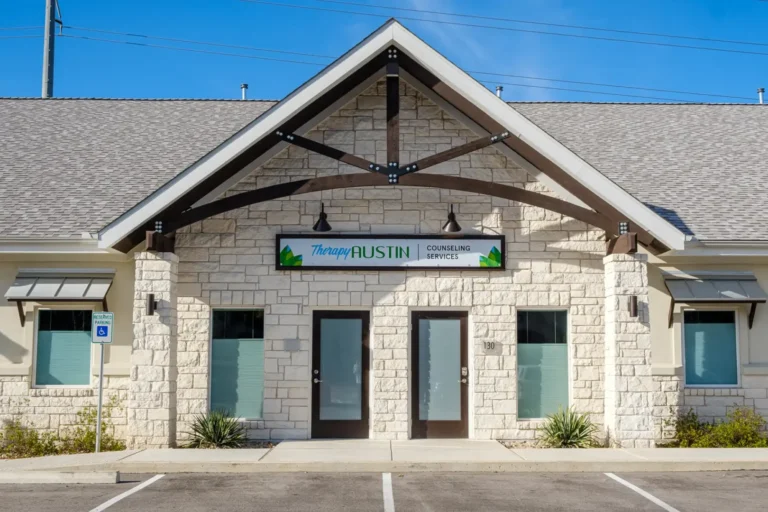
They take place at 1213 W Slaughter Ln #130, Austin, TX 78748.
Virtual (online) RO-DBT classes are also available – reach out to learn more.
What To Expect in our Skills Classes
If you choose to participate in group skills class, a group orientation session may occur prior to beginning the group. This is to orient you on the expectations of the experience and what is required of you. By preparing you for these skills training, you will get the most out of your treatment.